
Iran Terms Western Sanctions a Direct 'Declaration of War'
1-Click Audio Report (Universal Voice)
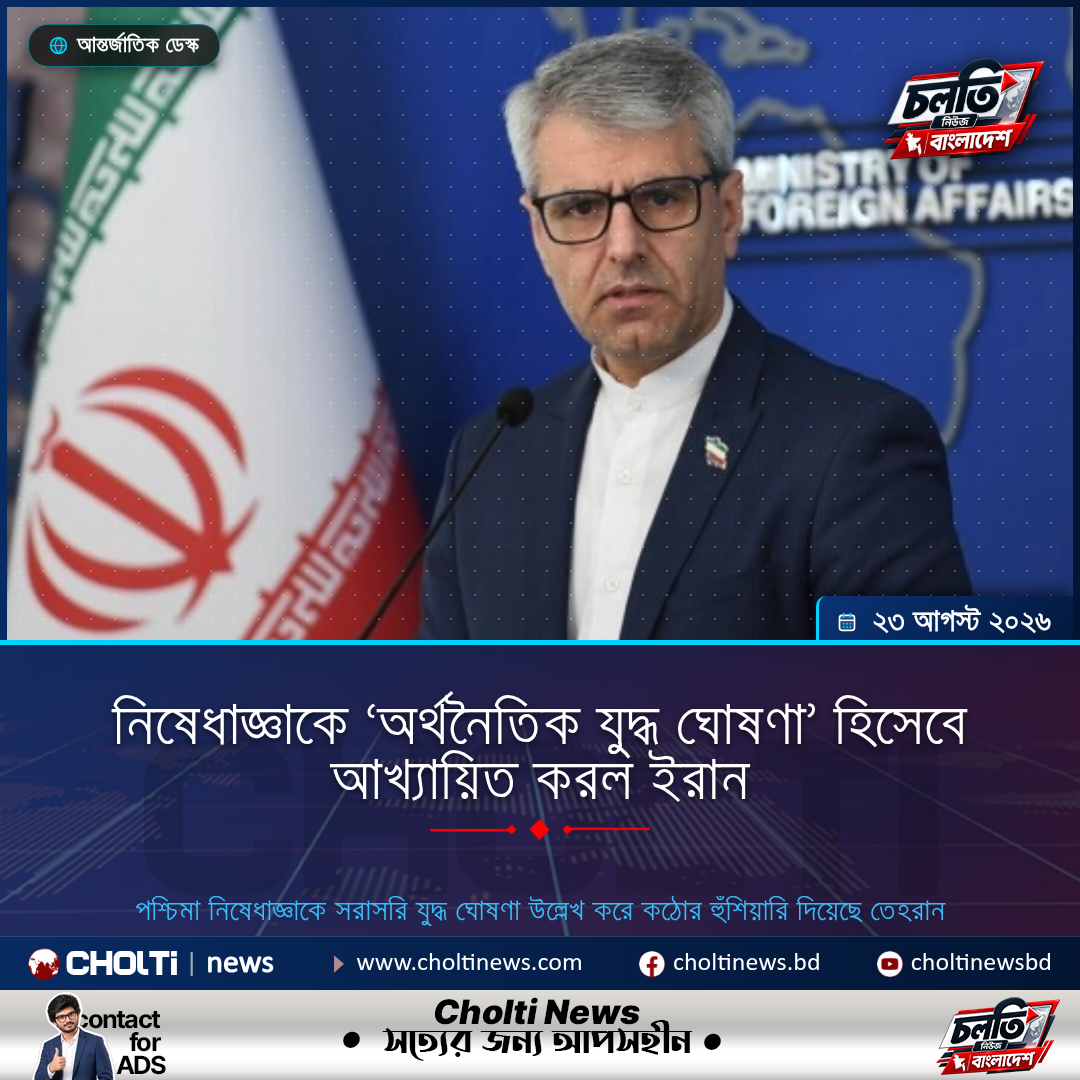
Iran has officially condemned the latest round of Western economic sanctions, labeling them a direct "declaration of war." Tehran argues that these unilateral measures are designed to cripple its economy and harm ordinary citizens. The escalating rhetoric threatens to further destabilize the volatile Middle East region.
- Iran has denounced the new Western economic sanctions, equating them to an act of direct warfare against its sovereignty.
- In response, Tehran is strengthening its strategic and economic alliances with non-Western powers like China and Russia.
- Analysts warn that while the sanctions severely impact Iranian civilians, they are unlikely to halt the nation's nuclear ambitions.
National Investment & Sovereign Savings Bond Scheme
Secure high guaranteed yields backed by official treasury securities.
Iran has vehemently condemned the latest round of economic and trade sanctions imposed by Western nations, characterizing them as a direct "declaration of war." Tehran's leadership asserts that these unilateral measures violate international law and represent a hostile assault on the sovereignty of an independent state. This development has pushed the already volatile geopolitical landscape of the Middle East into a highly unpredictable phase. The immediate fallout is expected to hit the Iranian civilian population hardest, restricting access to essential medical supplies and basic commodities. Consequently, Iran is actively seeking to recalibrate its foreign policy to counter this diplomatic onslaught.
The history of sanctions against Iran is deeply rooted in the prolonged dispute over its nuclear program, which escalated significantly after the United States unilaterally withdrew from the 2018 JCPOA agreement. Since then, Washington's "maximum pressure" campaign has severely crippled Iran's oil exports and caused the national currency, the Rial, to plunge to historic lows. The current sanctions target Iran's financial sectors and industrial manufacturing, driving domestic inflation past the 40 percent mark. Tehran views these persistent blockades not as mere regulatory measures, but as a systematic international conspiracy aimed at halting its technological and economic progress.
In response to the economic blockade, the Iranian Foreign Ministry declared that it would not capitulate under external pressure or economic coercion. Instead, Tehran has accelerated its strategic and trade partnerships with Beijing and Moscow to bypass Western financial systems. Conversely, the United States and the European Union maintain that these stringent measures are necessary to curb Iran's regional influence and uranium enrichment activities. Meanwhile, the United Nations has expressed deep concern over the escalating rhetoric, urging all involved parties to de-escalate and return to diplomatic negotiations.
An objective analysis by Cholti News suggests that economic sanctions rarely achieve their intended political outcomes and instead disproportionately penalize the civilian population. Decades of embargoes have failed to alter Tehran's strategic posture, instead driving the nation to achieve greater self-reliance and accelerate its nuclear research. Such unilateral measures risk undermining the credibility of international law and the global financial architecture. Ultimately, a sustainable resolution to this standoff can only be achieved through mutual respect and structured diplomacy, rather than coercive economic warfare.
“The reliance on economic sanctions is unlikely to yield the desired policy shifts in Tehran, instead pushing Iran closer to alternative global alliances. The resulting humanitarian strain on the civilian population could trigger long-term instability. A shift from punitive measures to constructive diplomatic engagement remains the only viable path forward.”
Digital Innovation Summit 2026
Join South Asia's leading tech and AI entrepreneurship summit.