
Bangladesh's Taro and Loti Being Exported Abroad
1-Click Audio Report (Universal Voice)
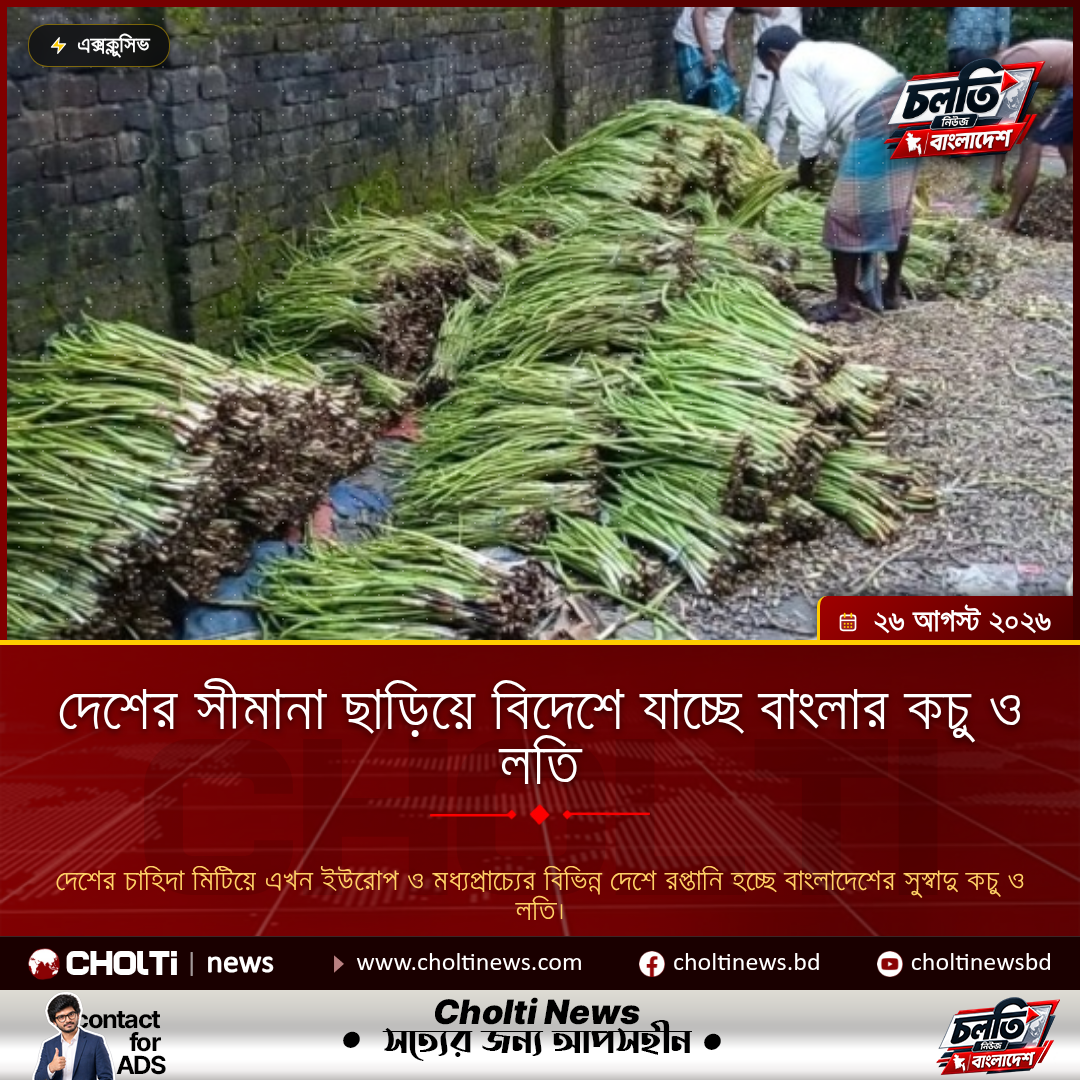
Bangladesh's popular rural vegetables, taro and taro stolon (loti), are now being exported abroad. Their demand is rising in Middle Eastern and European markets, bringing new hope to the country's economy.
- Bangladeshi taro and taro stolon are now sold in European and Middle Eastern markets.
- Many local farmers are becoming self-reliant by cultivating these vegetables.
- Export volumes can increase further with government support and easy loans.
National Investment & Sovereign Savings Bond Scheme
Secure high guaranteed yields backed by official treasury securities.
Bangladesh's common rural vegetables, taro and taro stolon (loti), are now crossing national borders to reach international markets. The demand for these vegetables is rising daily among Bangladeshi expatriates as well as foreigners in various countries across Europe, America, and the Middle East. Farmers in different districts are now cultivating taro and loti on a commercial scale.
Even a few years ago, taro and loti were often neglected as low-value crops. However, these nutrient-rich vegetables are now changing the fortunes of local farmers. According to agricultural department data, tons of taro and loti are exported from Bangladesh every year, with major supplies coming from districts like Narsingdi, Jessore, and Joypurhat.
Local farmers share that cultivating taro and loti requires much less investment but yields higher profits compared to paddy or other crops. However, modern technology is needed to produce export-quality vegetables. Exporters believe that reducing air freight charges and improving preservation facilities could significantly boost foreign currency earnings from this sector.
Agriculture experts believe that providing farmers with government training and easy loans will further boost taro cultivation. With proper monitoring and marketing facilities, this agricultural product could play a major role in the national economy, similar to the ready-made garments sector.
“The rising export of non-traditional agricultural products like taro and taro stolon is a positive sign for Bangladesh's rural economy. However, to realize the full potential of this sector, establishing cold storage facilities and simplifying the export process are essential.”
Digital Innovation Summit 2026
Join South Asia's leading tech and AI entrepreneurship summit.